The Octet, the Quintet and the Sound of the New Tango
Piazzolla was a composer who thought through his players. To follow his ensembles is to follow the evolution of nuevo tango itself, from noisy experiment to perfected chamber music.
Octeto Buenos Aires (1955)
Fresh from his lessons with Nadia Boulanger in Paris, Piazzolla came home and assembled the ensemble that fired the first shot. The Octeto Buenos Aires broke deliberately with the big orquesta típica of the dance halls: two bandoneóns, two violins, cello, double bass, piano — and, scandalously, an electric guitar. There was no singer and, pointedly, no room to dance. It lasted only a couple of years and it changed everything; contemporaries dated the birth of the new tango to its first rehearsals.
The Quinteto Nuevo Tango — the ideal instrument
Piazzolla found his perfect vehicle in the quintet. The classic Quinteto Nuevo Tango line-up — bandoneón, violin, piano, electric guitar and double bass — gave him everything he needed and nothing he did not: five independent voices, each able to sing, comp, or attack, small enough for the counterpoint to stay transparent and large enough to roar. He led two celebrated quintets, one through the 1960s and a second, even tighter unit from 1978 to 1988, and he wrote the bulk of his greatest music for this combination.
Why five voices, not forty
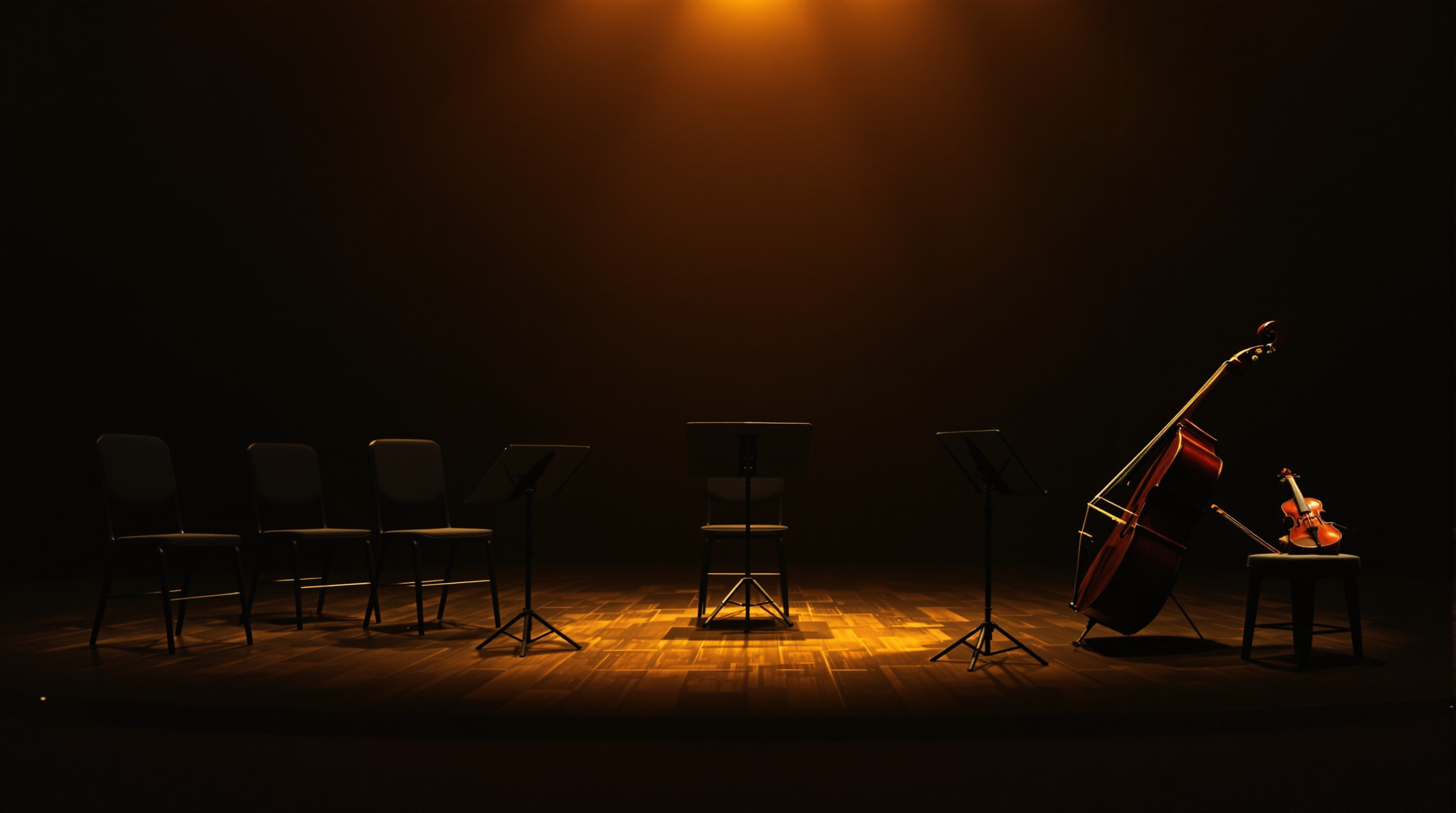
The choice was aesthetic and strategic. A quintet could not disappear into lush accompaniment the way a fourteen-piece orchestra could; every line was exposed, every player accountable, the way they are in a string quartet. It also let Piazzolla tour the world cheaply and play concert halls rather than cabarets. The empty semicircle of five chairs became, in effect, the stage architecture of nuevo tango.
The other laboratories
Between and around the quintets, Piazzolla restlessly tried other shapes: a nine-piece Conjunto 9 that he considered an artistic summit, a raw electronic octet in the 1970s that added synthesizer and drum kit, string-orchestra projects, and one-off summits with jazz musicians such as the baritone saxophonist Gerry Mulligan and the vibraphonist Gary Burton. Each configuration asked a different question of the same material.
Conjunto 9 — the summit he loved
In 1971 Piazzolla assembled a nine-piece group, the Conjunto 9 (or Nonet), that he sometimes named the artistic peak of his career: bandoneón, strings, percussion, piano, electric guitar and bass, large enough for genuine orchestral colour yet still lean enough for the counterpoint to breathe. It was commercially difficult and short-lived, but the recordings it left are treasured by connoisseurs as the sound of Piazzolla reaching for everything at once — chamber transparency and symphonic weight in the same bar.
The electronic detour
The 1970s pulled him in another direction entirely. Working in Italy, Piazzolla formed an electric octet — the Conjunto Electrónico — that added synthesizer, electric organ, and drum kit to the tango, chasing the energy of rock and fusion. Purists loathed it even more than they had loathed the octet of 1955, and Piazzolla himself later cooled on the experiment, but it produced Libertango and proved he would follow the music anywhere. The lesson of all these line-ups is consistent: he sized each ensemble to the transparency and the force he wanted, never to fashion, and whether nine players or five he asked every voice to carry its own weight.
How his music is played today
Because Piazzolla wrote for transparent small ensembles, his scores travel easily. Today you will hear the essential works from a solo cellist, a piano trio, a symphony orchestra, or a faithful reconstruction of the classic quintet — a flexibility that has helped carry the music into every corner of the concert world. To hear the ideal ensemble at its peak, seek out the second quintet's late albums in our listening guide.